Happy Holidays from UW CIPE: Fall 2025 Highlights
As Fall 2025 draws to a close, and we enter the New Year, our team at UW CIPE sends Season’s Greetings to the learners and partners who made this our most dynamic and fulfilling semester yet.
During these last few months, we engaged over 1,200 students representing over a dozen programs in the health sciences and social care areas here at UW–Madison. Through UW CIPE’s interprofessional offerings, these students learned with and from their peers representing a variety of disciplines, and emerged with new competencies to uphold high standards in collaborative practice. A sudden burst of new innovative learning opportunities reflects the guidance of the 2025-2030 UW CIPE Strategic Directions, with each of these initiatives serving as exemplars of how we are actively, and boldly, working toward our 5-year goals.
Below are some highlights of UW CIPE’s Fall 2025 and a preview of what our Center has in store for the New Year.
Expanding Our IPE Competency Modules
This semester, our IPE Competency Modules reached more learners than ever before. As UW–Madison’s flagship IPE offering since 2018, the UW CIPE Competency Modules build foundational interprofessional fluency and ability for entire cohorts of students. Across one or two evening sessions, hundreds of health science and social care students solve problems with one another and develop skills in the Interprofessional Education Collaborative’s (IPEC) four Core Competencies of Teamwork, Roles and Responsibilities, Communication, and Values/Ethics.
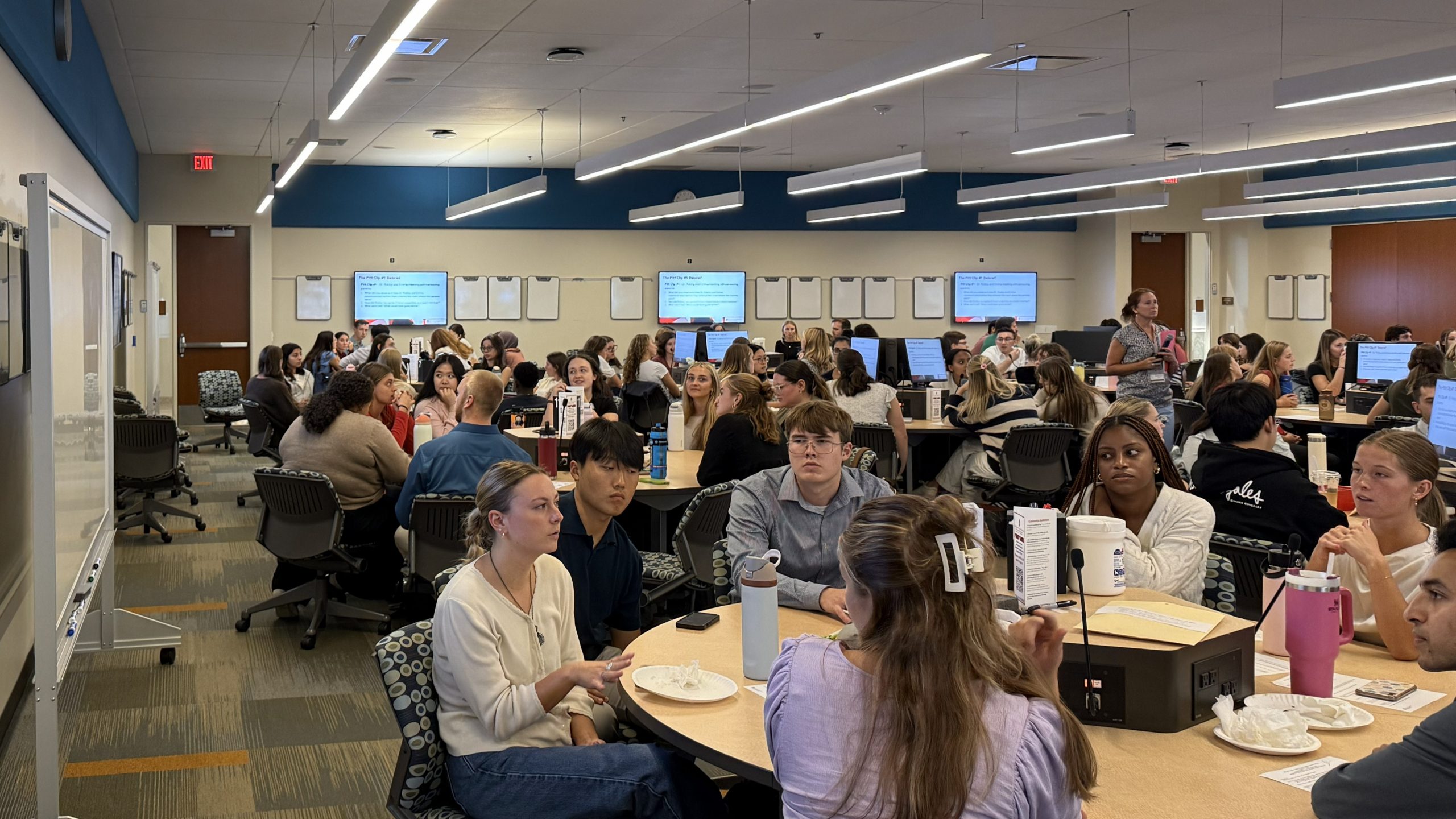
On September 15, UW CIPE kicked off the semester with the Interprofessional Teamwork Competency Module (ITCM). Over 600 students from UW–Madison’s Genetic Counseling, Medicine, Nursing, Occupational Therapy, Pharmacy, Physical Therapy, and Social Work programs convened to discuss the foundations of interprofessional education and collaborative practice.
The following month, over 450 students met across two virtual, synchronous sessions on October 6 and October 20 for the Interprofessional Roles and Responsibilities Competency Module, or IRRCM. Through a variety of peer-to-peer activities, learners honed their knowledge of other professions and practiced leadership on behalf of their own. In addition to serving our longtime learners from the Nursing, Occupational Therapy, Pharmacy, Physical Therapy, and Physician Assistant programs, UW CIPE was delighted to welcome Nutritional Sciences students and faculty from the College of Agricultural and Life Sciences to this module for the first time ever!
Forging New Interprofessional Partnerships and Offerings
In alignment with our new Strategic Directions, UW CIPE has dedicated ourselves to building new, enduring bonds between our learners and partners. For instance, we are thrilled that students from UW–Madison’s Nutritional Sciences program not only participated in this fall’s IRRCM, but will also join our health science and social care learners again in the spring for our Interprofessional Communication Competency Module, or ICCM. We also look forward to welcoming students from the UW Health School of Diagnostic Medical Sonography to this February’s ICCM.
IPE DYADS
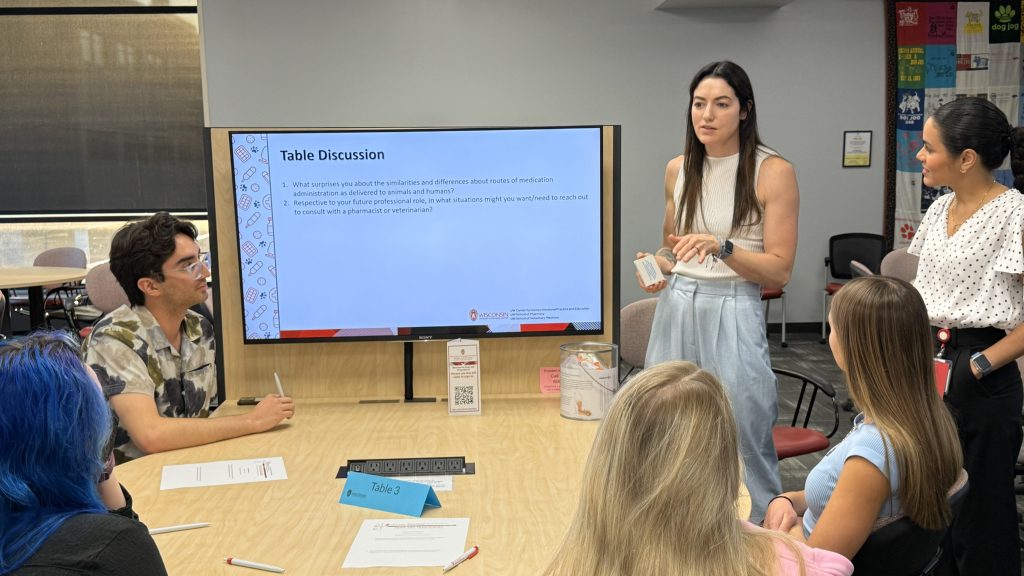
UW CIPE’s commitment to connecting different professions, in novel and practical ways, is embodied by the growth of our series of “Interprofessional Dyad” offerings. In 2024, we piloted our first learning experience focused on bringing together students from two different disciplines with an intentional interprofessional focus on a topic between the two disciplines. Evaluations from our dyads, thus far, have been exceptional. This year, on September 17, UW CIPE’s Paws and Prescribers returned with a two-hour session joining students from the Pharmacy and Veterinary Medicine programs to explore the intersections between their fields related specifically to the subject of compounding medication.
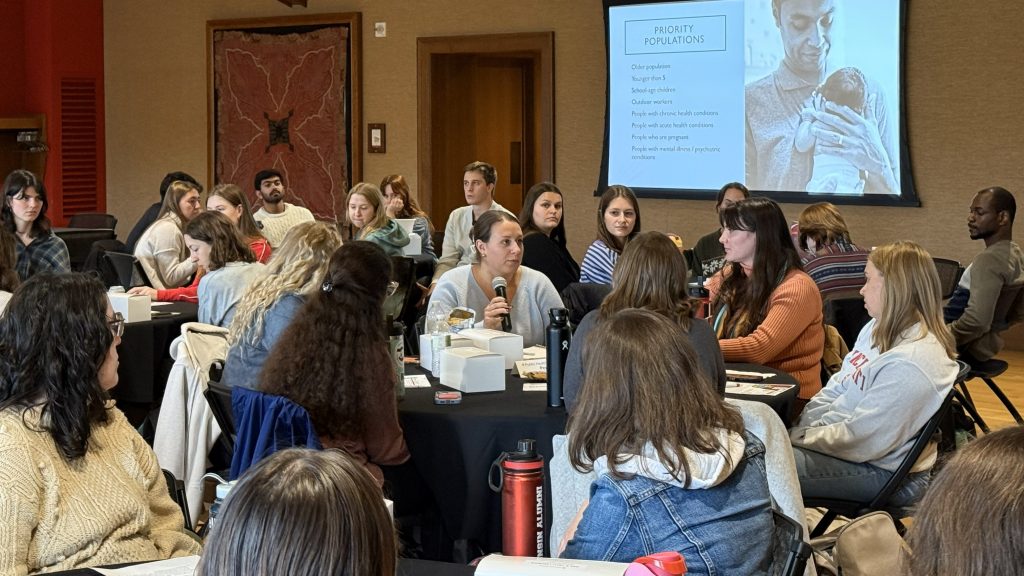
On November 4, UW CIPE launched a new interprofessional dyad that united students pursuing degrees in UW–Madison’s Public Health and Social Work programs. This lunch-and-learn, entitled Promoting Climate Justice Through Public Health and Social Work Partnerships, began with a lecture on planetary health from Jessica LeClair, PhD, MPH, RN, an Assistant Professor at the School of Nursing, before culminating in lively, solutions-oriented interprofessional discussions.
IPE SIMULATIONS
UW CIPE also expanded its catalog of practical, experiential learning opportunities with the launch of two interprofessional simulations this Fall. On November 13, UW CIPE convened students from UW–Madison’s Medicine, Occupational Therapy, Pharmacy, and Physical Therapy programs at the UW Health Clinical Simulation Center for Dynamic Discharge Discussions: Team Planning for the Patient with Cognitive Impairments. This simulation tasked future health care providers with drafting a well-informed discharge plan for a standardized, geriatric patient, in coordination with a caregiver.
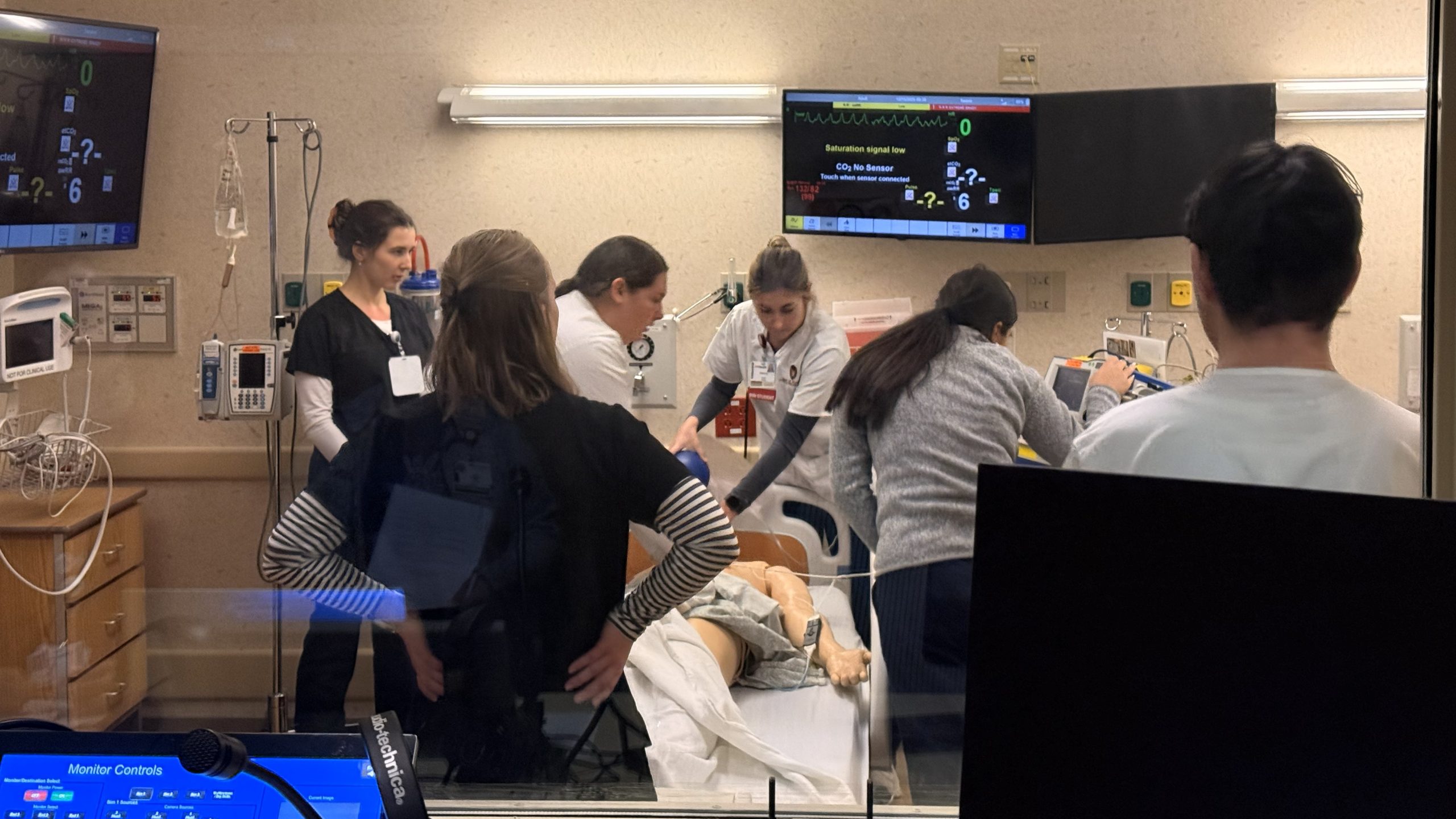
This month, UW CIPE piloted the Code Blue Simulation Training, also at UW Health’s Clinical Simulation Center. This session granted Medicine, Nursing, Pharmacy, and Physician Assistant students the safe space to simulate the response to a “code blue” scenario and specifically improve their communication and teamwork skills in this high-stakes situation.
Due to the positive reception to all four of these dyad and simulation offerings, UW CIPE looks forward to mounting them again next year. Learners interested in participating in the upcoming February 9, 2026, session of Code Blue Simulation Training may register here.
Building Interprofessional Leaders
Core to UW CIPE’s vision is inspiring bold collaboration between health professionals, now and into the future.
One of our most effective platforms for fostering interprofessional leadership is through our UW IPE Path of Distinction (PoD) program. In the process of pursuing this prestigious designation, UW IPE PoD candidates must complete a scholarly project that addresses some urgent interprofessional need. One such IPE PoD candidate, MD student Samantha Barr, spearheaded the development of this Fall’s Code Blue Simulation Training, mentioned above. We are continuously impressed by the initiative and creativity of our IPE (PoD) candidates!
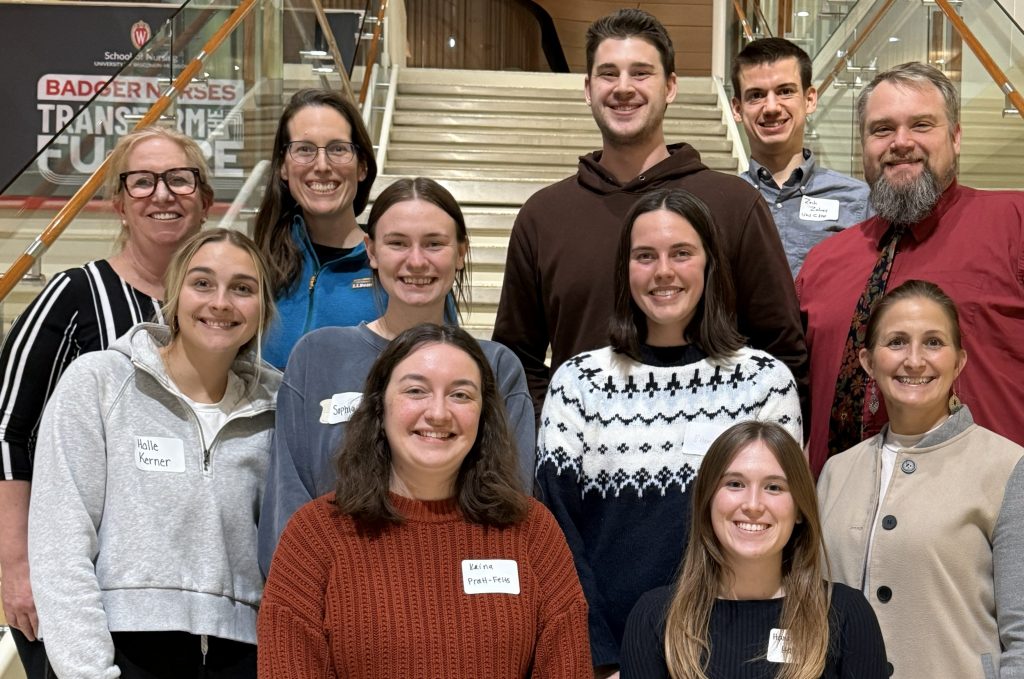
This month, we welcomed 10 new candidates to the UW IPE Path of Distinction program. These current UW–Madison students represent programs in Nursing, Pharmacy, Public Health, and Veterinary Medicine:
- Sophia Chamulak (Pharmacy)
- Sarah Elizabeth Green (Public Health)
- Hanna Helling (Pharmacy/Public Health)
- Lincoln Hopkins (Veterinary Medicine)
- Ellen Johnson (Pharmacy)
- Halle Kerner (Pharmacy)
- Jenna Miland (Nursing – TBSN)
- Kaina Pratt-Felts (Pharmacy)
- Brady Tilkens (Nursing – TBSN)
- John Vetterli (Pharmacy)
We are eager to share word on their accomplishments and projects with you soon. If you are a UW–Madison health or social care student interested in applying to this program, please visit our website here.
Engaging All Across the Learning Spectrum
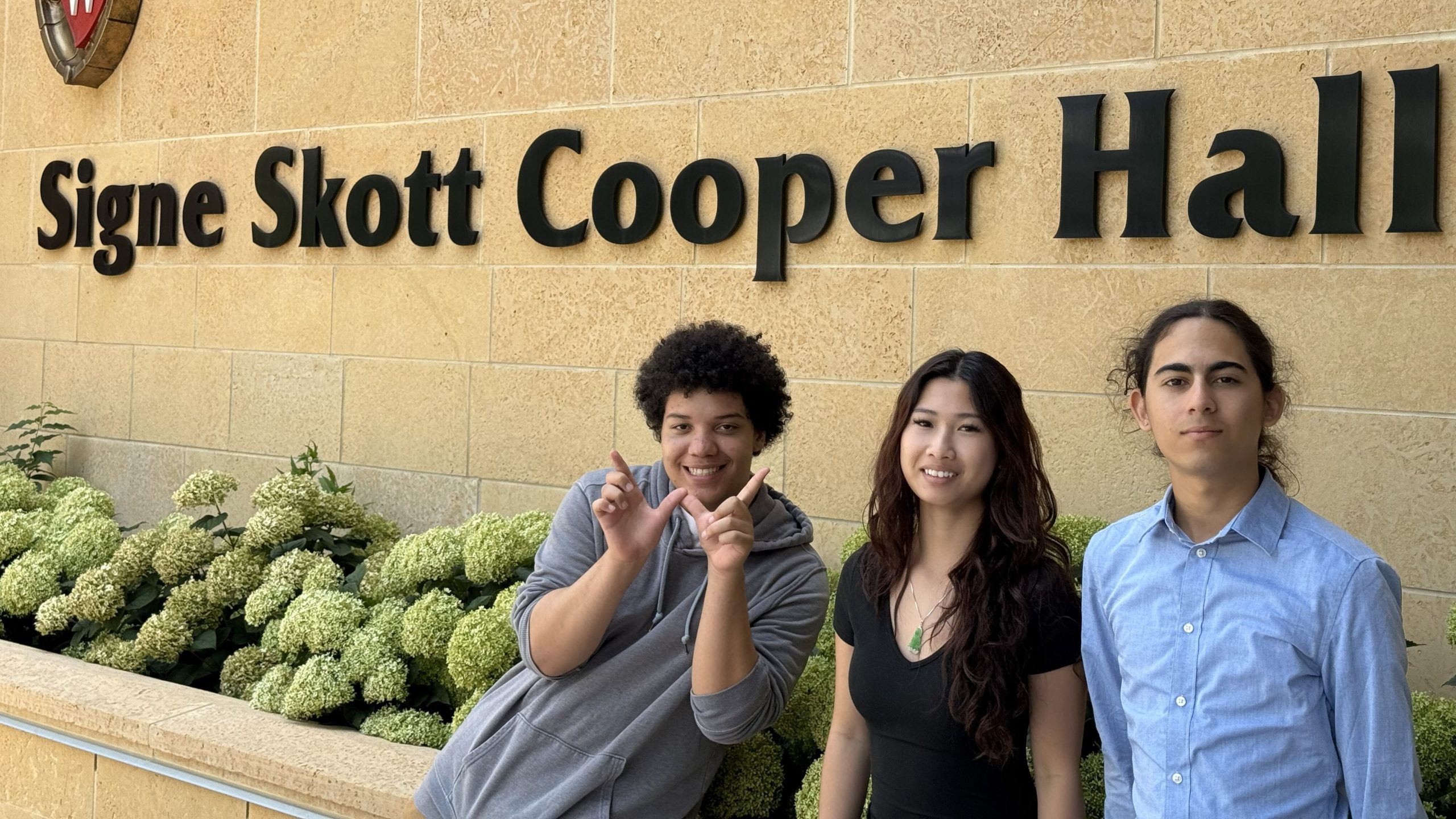
UW CIPE also engaged learners from the wider campus, including Madison and Wisconsin communities over the past few months. In the late summer, we hosted three students from Madison Metropolitan School District (MMSD) as part of the LEAP Internship Program, a six-week campus experience exploring the health sciences. We are grateful to our campus partners in the Center for Pre-Health Advising, the Doctor of Physical Therapy program, the School of Veterinary Medicine, and the Waisman Center for introducing the wide world of health professions to the talented trio of Yonatan Bernstein, Ava Le, and Daniel Sebastian.
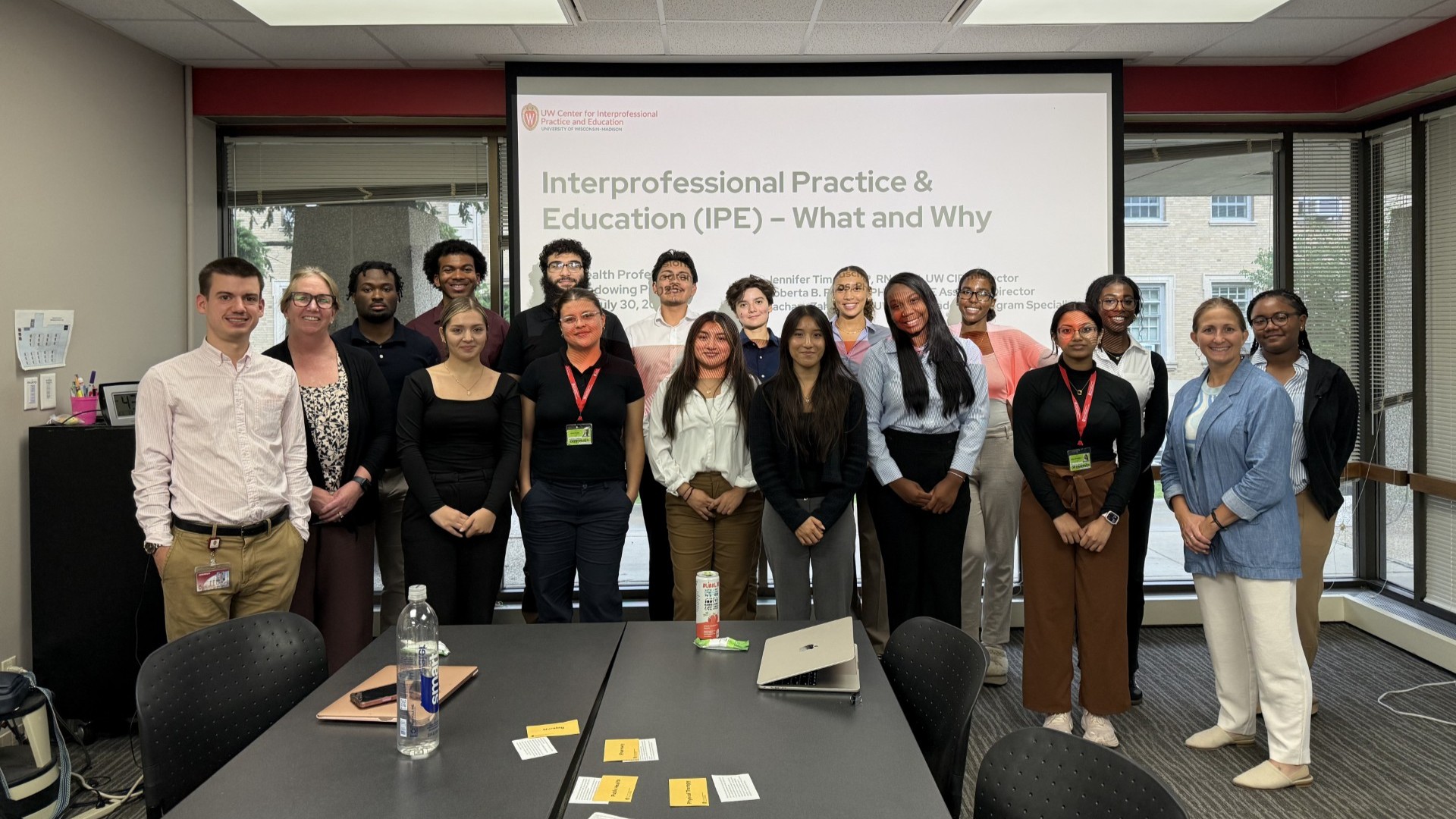
In collaboration with UW–Madison’s Center for Pre-Health Advising and the School of Medicine and Public Health’s Office of Admissions, UW CIPE participated in the Health Professions Shadowing Program, or HPSP, over the later summer months, as well. We introduced IPE concepts to a brilliant group of 14 Pre-Health students at UW–Madison. We hope to work with these students again, real soon!
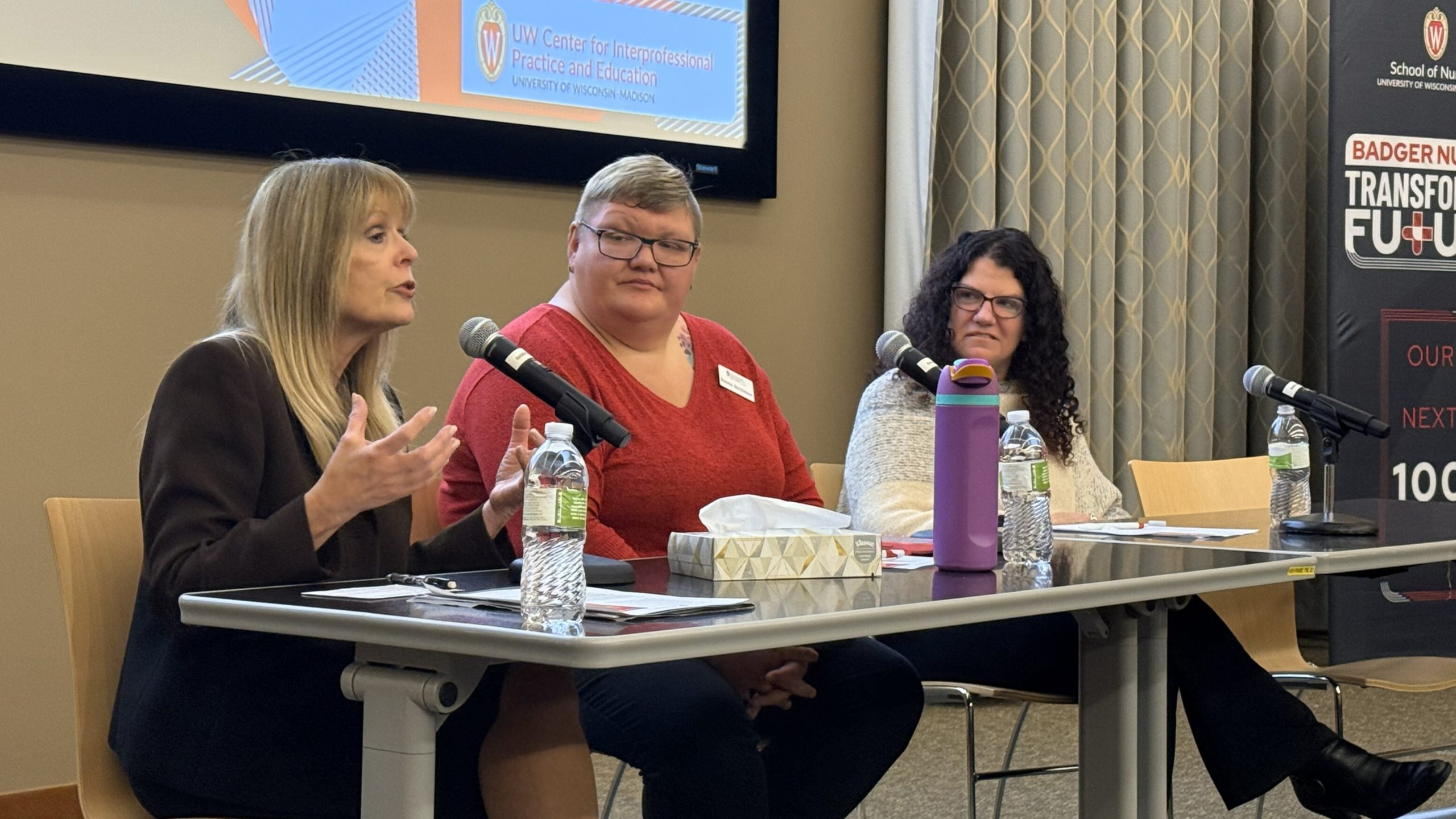
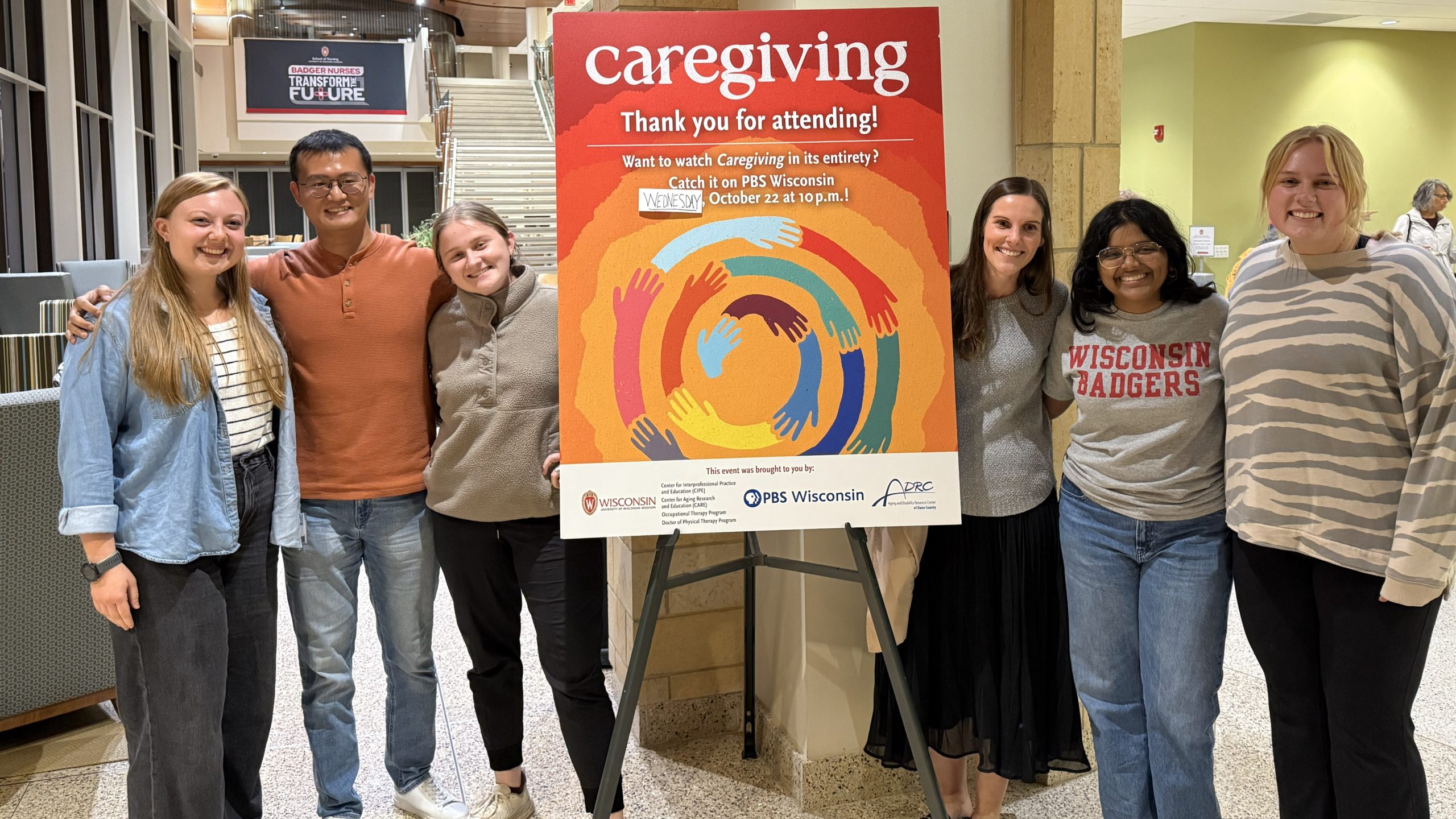
We also tapped into the local community of caregivers with our Caregiving Documentary Screening and Panel Discussion event on October 15. This screening continued our long-running Knowledge Exchange Series (KES), in providing a venue to share research with the public and connect directly with those doing the hardest work. This collaboration with PBS Wisconsin, the Aging and Disability Resource Center of Dane County, the Center for Aging Research and Education (CARE), and UW–Madison’s Occupational Therapy and Physical Therapy programs was warmly received and will return next Fall.
Onto 2026!
This spring, we cannot wait to resume working with our faculty partners to complete the redesign of CIPE’s flagship IPE Competency Module series. Beginning next Fall 2026, our foundational IPE sessions will engage more learners than ever with updated, redesigned case scenarios and dynamic interprofessional learning activities. Stay tuned for future updates!
UW–Madison learners, faculty, and staff interested in joining us next semester may consider registering for one or more of the following upcoming virtual offerings:
- Bridging Across Differences Toward Flourishing: Perspectives for Academic Medicine – Register HERE before 1/30/2026
- Interprofessional Community Dementia Caregiving (ICDC) Mini-Course – Register HERE before 1/27/2026
- Extreme Weather – Climate Change and Disability: Building Resilience Together – Register HERE before 1/26/2026
We enter 2026 guided by the Wisconsin Idea to provide the highest quality interprofessional education to the benefit of all from this great state.
Thank you for your support, and happy holidays from UW CIPE!
Sincerely,